
When switching to a vegetarian, vegan, or reduced-meat lifestyle for health reasons, one of the first things many people miss is the rich, savory depth of traditional Thai cuisine. Plant-based ingredients can sometimes make favorite dishes feel as though they are missing a layer of complexity. As a result, many home cooks reach for light soy sauce as a go-to seasoning, hoping to restore balance and flavor. However, when used in everything from stir-fries and soups to salads and curries, light soy sauce can make every dish taste surprisingly similar, diminishing the unique character of each recipe.
This is where vegan fish sauce comes in as a game-changing ingredient. Designed to recreate the savory aroma, saltiness, and umami depth of traditional fish sauce without any animal-derived ingredients, it helps restore the distinctive flavor profile that many Thai dishes are known for. Understanding the differences between vegetarian fish sauce and light soy sauce is key to creating meat-free meals that are just as flavorful and satisfying as their traditional counterparts.
In this guide, we’ll explore the key differences between vegetarian fish sauce and light soy sauce, explain when to use each one, and share tips on how vegan fish sauce can elevate vegetarian and vegan dishes with authentic Thai-style flavor.
What Is Vegetarian Fish Sauce?
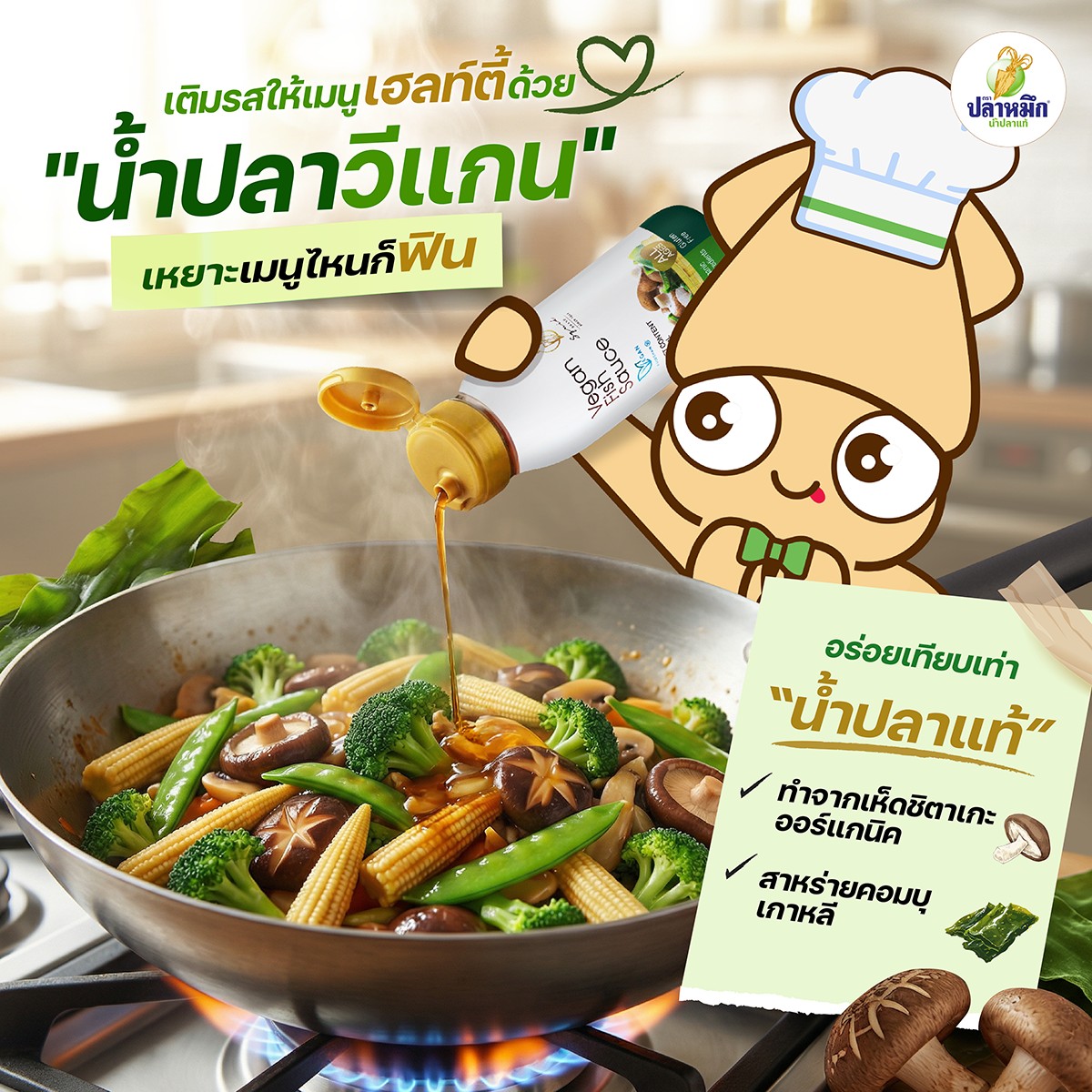
Vegetarian fish sauce, also known as vegan fish sauce, was developed to bring authentic umami flavor to vegetarian and vegan cooking. Unlike traditional fish sauce, it is made entirely from plant-based ingredients and naturally fermented to create a rich savory profile.
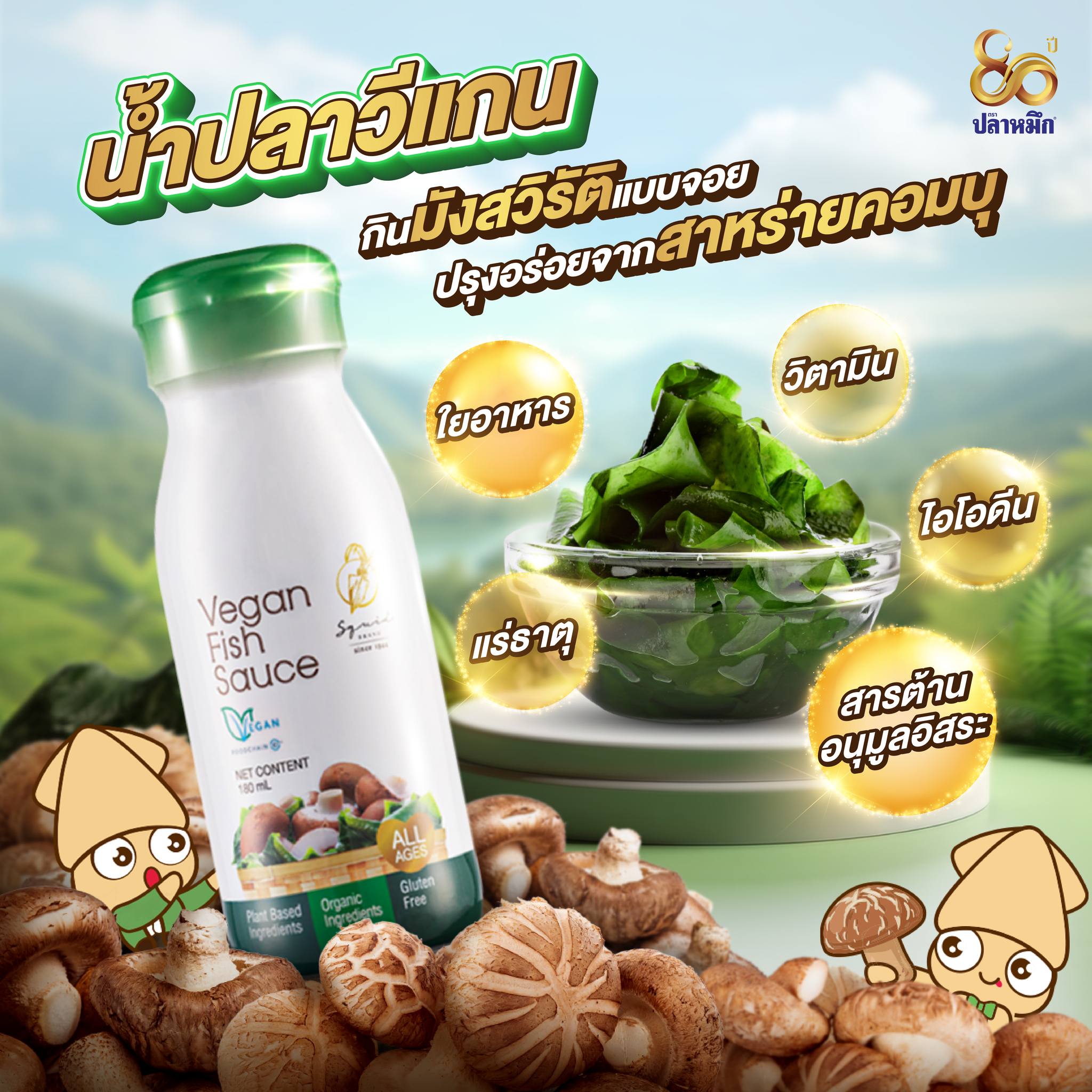
Premium vegan fish sauces often incorporate ingredients such as organic shiitake mushrooms and Korean kombu seaweed, both naturally rich in amino acids and umami compounds. Through a natural fermentation process, these ingredients develop a flavor that closely resembles the savory depth, aroma, and saltiness of traditional fish sauce while remaining completely animal-free.
One of its distinguishing characteristics is its clear amber-gold color and smooth, well-rounded taste. Compared to light soy sauce, vegetarian fish sauce offers a flavor profile much closer to traditional fish sauce, with a balanced saltiness and a distinctive aroma that becomes even more appealing when heated.
Modern vegan fish sauces are also designed with health-conscious consumers in mind. Many premium options are Gluten Free and contain no preservatives, MSG, artificial colors, or artificial flavorings.
Thanks to its authentic umami character, vegetarian fish sauce works especially well in bold Thai dishes such as spicy salads, vegetarian som tam, dipping sauces, and curries, where aromatic depth and savory complexity are essential.
What Is Light Soy Sauce?
Light Soy Sauce is a classic Asian seasoning made through the natural fermentation of soybeans, wheat, salt, and water. It has been a staple ingredient in Asian kitchens for generations and is known for its mild saltiness and distinctive fermented soybean aroma.
Its translucent dark-brown appearance and smooth flavor make it ideal for dishes that require subtle seasoning rather than bold umami impact. Light soy sauce excels in Chinese-style stir-fries, clear soups, braised dishes, and marinades for tofu or plant-based proteins.
Unlike vegetarian fish sauce, which is designed to replicate the aroma and complexity of fish sauce, light soy sauce contributes a gentler soy-based flavor profile that complements rather than dominates a dish.
Vegetarian Fish Sauce vs. Light Soy Sauce: Key Differences
| Feature | Vegetarian Fish Sauce | Light Soy Sauce |
|---|---|---|
| Main Ingredients | Plant-based ingredients such as organic shiitake mushrooms and Korean kombu seaweed | Soybeans and wheat |
| Color | Clear amber-gold | Clear dark brown |
| Aroma | Rich, savory aroma similar to traditional fish sauce | Mild fermented soybean aroma |
| Taste | Balanced saltiness with deep plant-based umami | Smooth, mild saltiness |
| Best For | Thai salads, som tam, dipping sauces, spicy curries, and bold Thai dishes | Chinese-style dishes, vegetable stir-fries, clear soups, braised dishes, and marinades |
Which One Should You Choose?
If you’re looking to recreate the bold, aromatic flavors of authentic Thai cuisine, vegetarian fish sauce is often the better choice. Its rich umami depth and distinctive aroma deliver a flavor experience much closer to traditional fish sauce while remaining completely plant-based.
Light soy sauce, on the other hand, provides a softer, more subtle seasoning. While it works beautifully in many Asian dishes, using large amounts to achieve the same level of savory intensity as fish sauce can result in an overly dominant soybean flavor.
Ultimately, both seasonings serve different culinary purposes. Vegetarian fish sauce shines in vibrant Thai dishes that require deep umami and aromatic complexity, while light soy sauce is ideal for recipes that call for a gentler, more delicate flavor profile.
Seasoning Pairing Tips for Delicious Vegetarian and Vegan Dishes
Creating vegetarian and plant-based meals that taste as though they were prepared by a professional chef starts with choosing the right seasoning. One of the best ways to elevate meat-free cooking is to use vegan fish sauce as a key flavor enhancer. Here are three simple guidelines that can transform ordinary vegetarian dishes into restaurant-quality meals packed with rich umami flavor.
Vegetarian Salads and Som Tam: Vegan Fish Sauce Is Essential
For Thai dishes that require bold, vibrant flavors—such as vegetarian spicy salads and som tam—vegan fish sauce is the ideal choice. Its signature savory saltiness and aromatic depth pair perfectly with fresh lime juice and bird’s eye chilies, creating the authentic balance of flavors found in traditional Thai cuisine.
In contrast, using light soy sauce can introduce a stronger fermented soybean aroma that may overpower the refreshing citrus notes of lime. As a result, the dish may lose its distinctly Thai character and take on a flavor profile more reminiscent of a soy-based Japanese-style salad.
Thai Curries and Soups: Add at the End for Maximum Aroma
When preparing vegetarian Thai curries, green curry, or tom yum soup, timing is everything. Thai herbs and curry pastes release their full potential when combined with aromatic savory seasonings.
Bring the curry or soup to a vigorous boil, then add vegan fish sauce during the final stage of cooking just before turning off the heat. The high temperature helps release its aromatic compounds, enhancing the fragrance of fresh herbs and spices while adding greater depth and complexity to the dish.
Stir-Fried Vegetables and Vegetarian Fried Rice: Combine for More Flavor
For stir-fried dishes, try combining equal parts light soy sauce and vegetarian fish sauce. The soy sauce provides a gentle, savory foundation, while the vegan fish sauce contributes additional umami and enhances the natural sweetness of vegetables and rice.
This combination creates a more balanced and layered flavor profile, resulting in stir-fried dishes that are aromatic, savory, and perfectly rounded.
By incorporating these simple techniques into your cooking, creating premium-quality vegetarian meals becomes remarkably easy. With just one bottle of vegan fish sauce, you can bring deeper flavor, richer aroma, and authentic Thai-style umami to every dish.
Recommended Product: Squid Brand Vegan Fish Sauce
Elevate Vegan Cooking with 100% Plant-Based Fish Sauce
Take vegetarian, vegan, and plant-based cooking to the next level with Squid Brand Vegan Fish Sauce, a premium seasoning crafted entirely from plant-based ingredients.
Made with high-quality Korean kombu seaweed and organic shiitake mushroom extract, this innovative seasoning undergoes a natural fermentation process that develops the rich aroma and deep umami flavor traditionally associated with authentic fish sauce. The result is a clean, flavorful seasoning that delivers remarkable depth without the use of animal-derived ingredients.
Consumers can enjoy every meal with confidence thanks to its clean-label formulation. Squid Brand Vegan Fish Sauce is Gluten Free and contains no preservatives, no MSG, no artificial colors, and no artificial flavorings, ensuring that every drop delivers both flavor and plant-based goodness.
Naturally Fermented for Authentic Umami
Quality begins with exceptional ingredients and meticulous craftsmanship. Through a 100% natural fermentation process, Squid Brand Vegan Fish Sauce develops a beautiful clear amber color and a rich, savory aroma that enhances a wide variety of dishes.
Whether you’re creating wok-fried vegetables, refreshing Thai salads, or hearty plant-based recipes, it provides the perfect balance of umami and aroma while maintaining a commitment to natural ingredients and clean nutrition.
Premium Quality for the Modern Vegan Kitchen
Designed for today’s health-conscious consumers, every bottle undergoes rigorous quality control to ensure exceptional taste and consistency. Made without synthetic additives or common allergens, it allows consumers to enjoy the benefits of plant-based nutrition without compromising on flavor.
Every drop represents a commitment to premium quality, sustainability, and better eating—helping transform everyday meals into memorable culinary experiences.

Conclusion: Complete Every Vegetarian Meal with Squid Brand Vegan Fish Sauce
Vegetarian and vegan eating no longer has to mean sacrificing flavor. With the right seasoning, plant-based dishes can be every bit as rich, aromatic, and satisfying as traditional recipes.
Squid Brand Vegan Fish Sauce provides an easy way to bring authentic Thai-style umami to meat-free cooking. Crafted from organic shiitake mushrooms and Korean kombu seaweed, it transforms simple vegetable dishes into flavorful meals bursting with savory depth and aroma.
Beyond great taste, it is a healthier choice for everyday cooking. Its Gluten Free formula contains no preservatives, MSG, artificial colors, or artificial flavorings, allowing you to enjoy premium flavor with complete peace of mind.
FAQ
Q: What is vegetarian fish sauce made from? Does it contain seafood?
A: No. Squid Brand Vegan Fish Sauce is made entirely from plant-based ingredients, including Korean kombu seaweed and shiitake mushrooms. It contains no seafood or animal-derived ingredients, making it suitable for vegetarians, vegans, and plant-based consumers.
Q: Can people with seafood allergies consume vegetarian fish sauce?
A: Yes. Since it contains no fish or seafood ingredients, it is an excellent alternative for individuals with seafood allergies who still want to enjoy the rich flavors of traditional Thai cuisine.
Q: Can vegetarian fish sauce replace light soy sauce in every recipe?
A: It can replace light soy sauce when a balanced savory flavor is desired. However, because the two seasonings have distinct aroma profiles, vegetarian fish sauce is best suited for bold Thai dishes, while light soy sauce works particularly well in milder dishes and Chinese-style recipes.