
The current health trend is booming. Many health enthusiasts are paying closer attention to everything they put in their mouths, making “clean eating” or “low-salt diets” more than just a passing fad—they’ve become a lifestyle. Selecting quality ingredients for your plate is crucial, especially when dealing with the “silent enemy” hidden in delicious flavors: sodium. While excessive intake can lead to long-term health issues, cutting out salt entirely is difficult for Thais, as that familiar salty umami is the heart of every meal.
When you crave bold flavors but care about your heart, low-sodium fish sauce becomes the “secret item” trending in health circles. It’s an alternative that lets you enjoy your favorite dishes guilt-free, without enduring bland food. It maintains a flavor profile close to authentic fish sauce but with less salt—the perfect solution for the modern generation wanting both taste and health.
We’ll dive deep into whether low-sodium fish sauce is truly healthy, if it still smells and tastes as good as the original, and share tips on how to choose the best bottle for your health.
What is Low-Sodium Fish Sauce?
Low-sodium fish sauce is a seasoning developed for health-conscious consumers. The core concept is reducing Sodium Chloride during production to levels lower than traditional formulas. While the saltiness is less intense, it retains the mellow flavor and aroma of authentic fish sauce.
Normally, fish sauce contains high sodium for preservation and flavor. However, low-sodium formulas control salt content to just 30%–40% (or less) to reduce risks to kidney function and blood pressure, while perfectly balancing that signature aroma.
The Difference: Regular vs. Low-Sodium
- Regular Formula: Uses large amounts of salt as a preservative and to create a sharp, intense saltiness.
- Low-Sodium Formula: Uses special fermentation techniques to extract natural saltiness or uses substitutes like Potassium Chloride. Some modern innovations even use Sea Salt to reduce sodium without adding potassium—a safer choice for patients with potassium restrictions.
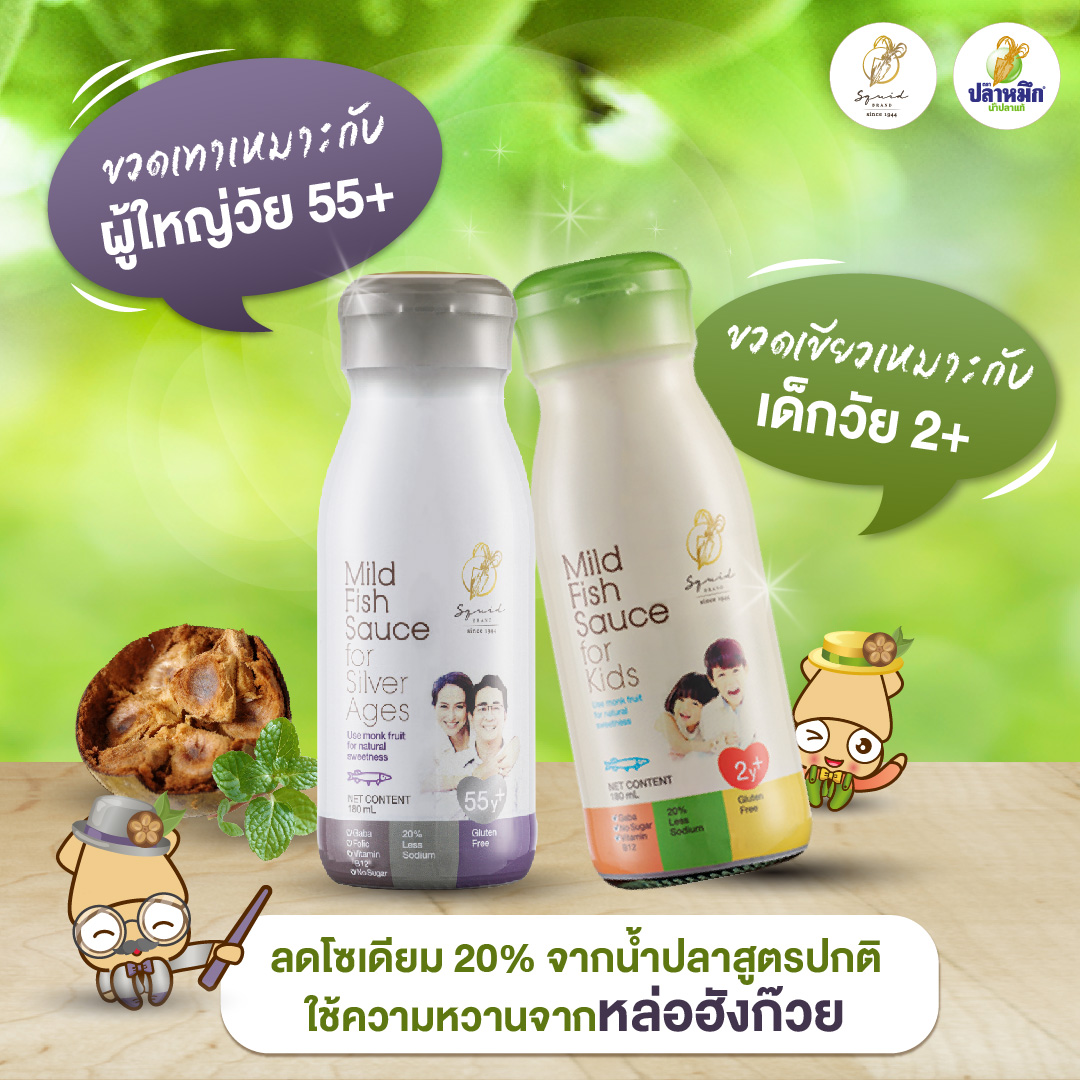
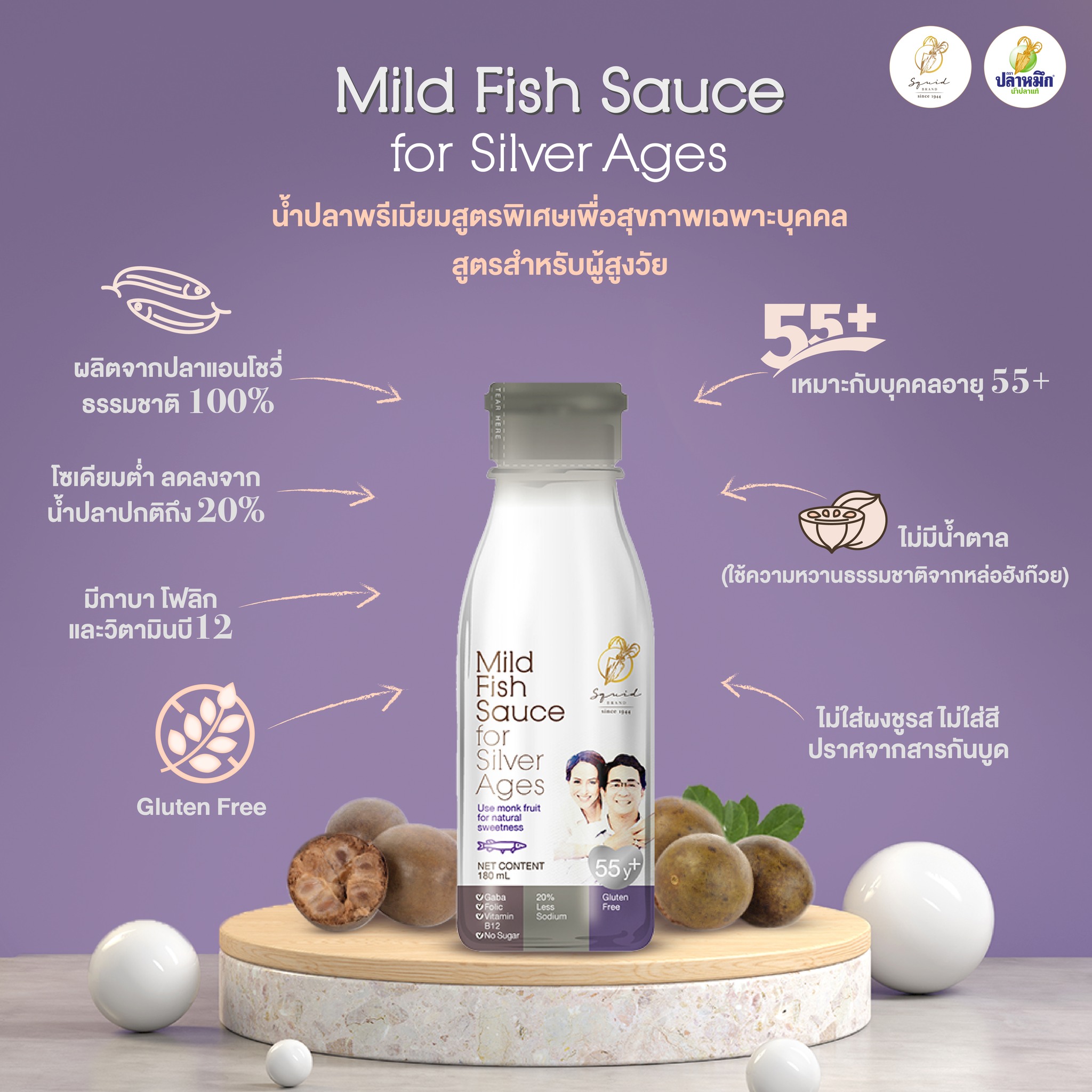
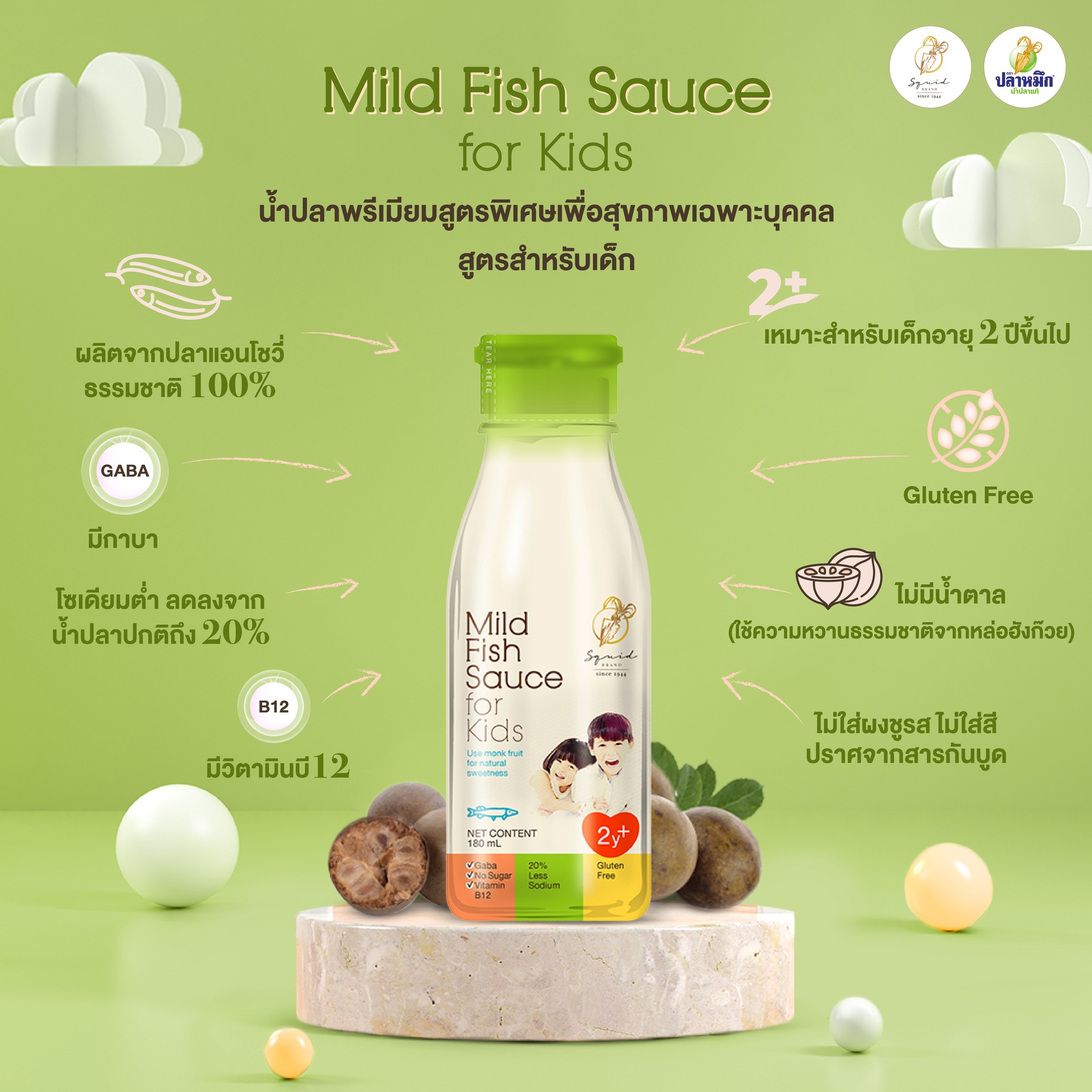
For a reliable choice, look for the “Mild Fish Sauce” range by Squid Brand. It stands out for its smooth, aromatic taste using 100% natural fermentation for 18 months. It reduces sodium by 20% without adding potassium, using only 18% sea salt and Monk Fruit (Luo Han Guo) for natural sweetness and umami. It is gluten-free, with no preservatives, MSG, or artificial colors/flavors.
Is It Actually Good for You?
Switching your primary seasoning is a massive step toward reducing the risk of chronic diseases like hypertension, kidney disease, and heart enlargement. It also helps reduce water retention (bloating) after a heavy meal because the body doesn’t need to hold onto excess water to dilute salt.
What about the taste? Leading manufacturers now use longer, more meticulous fermentation to maximize Umami from the fish. This results in a deeper, smoother flavor than standard saltiness. Many brands also swap refined sugar for natural sweeteners and add nutrients like Vitamin B12, Folic Acid, and GABA to support the nervous system, making it suitable for both Clean and Keto diets.Who Should Use Low-Sodium Fish Sauce?
Who Should Use Low-Sodium Fish Sauce?
Choosing “less salty” isn’t just about taste; it’s a vital tool for various groups:
- Seniors (Silver Ages): As we age, kidney function declines. Lowering sodium protects the kidneys and heart. Premium options like Squid Brand even add B12 and GABA for brain health.
- Fitness & Weight Loss Enthusiasts: Sodium causes water retention. Switching to low-sodium helps the body flush excess water, making you look leaner and training your palate to avoid over-salted foods.
- Patients with Medical Conditions: For those with heart or kidney issues, sodium control is mandatory. Note: Some brands use potassium as a salt substitute; patients should look for “No Added Potassium” labels or consult a doctor first.
How to Choose the Right Bottle?
Don’t just look at the “Healthy” label; use these pro tips:
- Read the Nutrition Label: Compare sodium per serving (usually 1 tbsp or 15ml) across brands.
- Check Ingredients: It should be made from anchovies or fresh sea fish with a clear percentage listed.
- Additive-Free: Ensure it says “No MSG,” “No Preservatives,” and “No Artificial Colors.” Look for the Gluten-Free symbol if you have sensitivities.
- Look for Natural Salts: Some premium formulas use Himalayan Pink Salt or Sea Salt, which offer natural minerals and a smoother flavor profile.
Targeted Options by Squid Brand:
- Mild Fish Sauce for Silver Ages: 20% less sodium, no added potassium, uses Monk Fruit, and is enriched with B12, Folic Acid, and GABA.
- Mild Fish Sauce for Kids (Ages 2+): Designed for sensitive young palates. It’s smooth, aromatic, and free from additives, ensuring children don’t get addicted to intense salty flavors while receiving brain-boosting nutrients.
Pro-Cooking Tips for Low-Sodium Success
- For Soups/Curries: Add the low-sodium fish sauce at the very last step. The heat will release the aroma immediately, enhancing the herbs without overpowering them with salt.
- For Dipping Sauces: Mix it with fresh chili, garlic, and an extra squeeze of lime. The acidity and spice stimulate the taste buds, making the dish feel “umami” even with less salt.
- The Golden Rule: Always use a measuring spoon. Even “low-sodium” products contain salt. Measuring ensures you stay within healthy limits rather than guessing by eye.